| Paw and Feet Care |

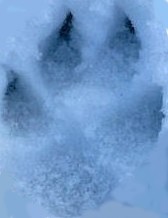
| Dogs should have their toenails cut every two to three weeks. A dog that wiggles during toenail clipping will sooner or later be nipped to the quick, and the next time the clippers come out of the closet, he'll head for the hills. So teach the dog to stand or sit still and offer his paw, clip a tiny bit off each nail a couple of days in a row, or have the vet or groomer do the job. Dog nails have a quick that can be seen as a darkening of light-colored nails but is invisible on dark nails. The quick has a nerve and blood supply; nicking the quick not only hurts the dog, it causes profuse bleeding, so keep a quick stop product on hand or use flour or cornstarch to stem the tide. Include an examination of the dog's feet into a grooming session to make sure there is nothing stuck between the pads. Seeds from some grasses can stab into the pad, pebbles can get stuck, chemicals used on lawns can burn, and fungus can cause irritation, which lads to licking, which can lead to hot spots and infection. A home-grooming session can be a boon to the dog-owner relationship. Dogs naturally groom each other to reinforce pack behavior and show subordination., and you can take advantage of this behavior. Spend 10-20 minutes every day or two, depending on the dog and the season of the year, and you'll increase the bond with your pet immeasurably along with insuring that you'll keep his skin and coat healthy and be aware of any subtle changes in condition. Walking the dogs in cold snowy weather is one of the hazards of dog ownership, unless you are lucky enough to live where snow doesn't exist. Along with the hazards of having an enthusiastic dog on the end of the leash in icy conditions, ice and snow can cause damage to your dog's paws as well. Snow and ice can get stuck in between the pads on your dog's paws, causing cuts and uncomfortably cold toes. Even a small amount of build-up under your dog's feet can pull the sensitive hairs underneath and cause a noticeable loss of traction. You can help by keeping your dog's nails cut short and the fur between his toes trimmed to a manageable level. Cut too short, the fur won't offer protection from the snow anymore, but a neatly trimmed foot will attract less ice and snow to collect inside. To avoid trimming out too much hair, keep your scissors parallel with your dogs pads and just shear off the fur that sticks out from in between the pads. Around the toes the fur should be cut just short enough to see the end of the toenail. Trim around the sides to keep that nice "paw" shape. If your dog isn't a dog that grows between his toes (not all do), then you need trim nothing. If you live in the land of constant snowfall and below freezing temperatures, maybe dog boots are in your future? |
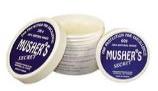
| We, at Tundra Spirits, have used Musher's Secret paws in the winter to protect our dogs paws. |