| Pancreatitis |
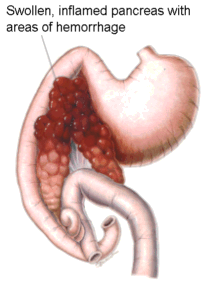
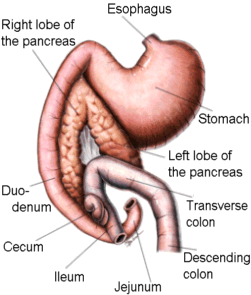
The pancreas is a vital organ which lies on the right side of the abdomen. It has two functions: 1) to produce enzymes which help in digestion of food and, 2)to produce hormones, such as insulin. When the pancreas becomes inflamed, the disorder is called pancreatitis. It is a disease process that is seen commonly in the dog. There is no age, sex, or breed predisposition. There are two main forms of acute (sudden onset) pancreatitis: 1. The mild, edematous form and, 2. The more severe, hemorrhagic form. A few dogs that recover from an acute episode of pancreatitis may continue to have recurrent bouts of the acute disease, known as chronic, relapsing pancreatitis. The associated inflammation allows digestive enzymes to spill into the abdominal cavity; this may result in secondary damage to surrounding organs, such as the liver, bile ducts, gall bladder, and intestines. What causes it? The cause of pancreatitis is not known; however, there may be several contributory factors. It is often associated with a rich, fatty meal. In some cases, it may be associated with the administration of cortisone; however, some dogs with pancreatitis do not have exposure to either. Under normal conditions, digestive enzymes produced by the pancreas are activated when they reach the small intestines. In pancreatitis, these enzymes are activated prematurely in the pancreas instead of in the small intestines. This results in digestion of the pancreas itself. The clinical signs of pancreatitis are often variable, and the intensity of the disease will depend on the quantity of enzymes that are prematurely activated. What are the clinical signs? The diagnosis of pancreatitis is based on three criteria: clinical signs, laboratory tests, and radiographs (x-rays) and/or ultrasound examination. The disease is typically manifested by nausea, vomiting, fever, abdominal pain, and diarrhea. If the attack is severe, acute shock, depression, and death may occur. Laboratory tests usually reveal an elevated white blood cell count; however, an elevated white blood cell count may also be caused by many other things besides pancreatitis. The elevation of pancreatic enzymes in the blood is probably the most helpful criteria in detecting pancreatic disease, but some dogs with pancreatitis will have normal levels. Radiographs and ultrasound studies may show an area of inflammation in the location of the pancreas. Unfortunately, many dogs with pancreatitis will elude detection with any of these tests. Consequently, the diagnosis of pancreatitis may be tentative in some cases. How is pancreatitis treated? The successful management of pancreatitis will depend on early diagnosis and prompt medical therapy. The mild form of the disease is best treated by resting the pancreas from its role in digestion. The only way to "turn off" the pancreas is to withhold all oral fluids and food. This approach is accompanied by intravenous fluids to maintain normal fluid and electrolyte balance. In addition, anti-inflammatory drugs are sometimes administered. The presence of shock necessitates the immediate and intense use of intravenous fluids. Antibiotics are also indicated in many cases. Will my dog recover? The prognosis depends on the extent of the disease when presented and a favorable response to initial therapy. Dogs that present with shock and depression have a very guarded prognosis. Most of the mild forms of pancreatitis have a good prognosis. Will there be any long-term problems? There are three possible long-term complications that may follow severe or repeated pancreatitis. If a significant number of cells that produce digestive enzymes are destroyed, a lack of proper food digestion may follow. This is known as pancreatic insufficiency and can be treated with daily administration of enzyme tablets or powder in the food. If a significant number of cells that produce insulin are destroyed, diabetes mellitus can result and insulin therapy may be needed. In rare cases, adhesions between the abdominal organs may occur as a consequence of pancreatitis. However, most dogs recover with no long-term effects. |