- 1. Eat the colors of the rainbow.
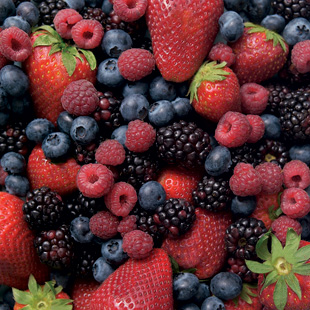
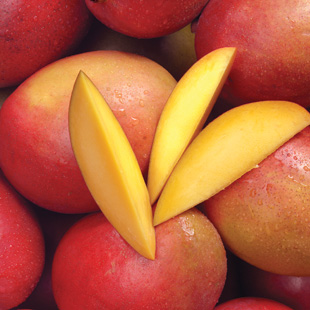
It’s easy to identify foods with the highest levels
of antioxidants—they’re often the most colorful.
Carrots and sweet potatoes have plenty of beta
carotene; bell peppers, strawberries and
tomatoes contain vitamin C; tomatoes and
watermelon have lycopene; and dark leafy
greens like spinach contain lutein. Blueberries
have anthocyanins. Red grapes have resveratrol.
And the list goes on—so banish the beige!
2. Plot out your plate wisely.
To lower your cancer risk, the American Institute
for Cancer Research recommends filling 2/3 or
more of your plate with plant-based foods like
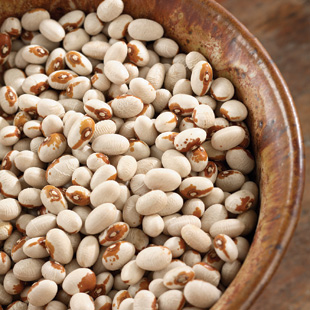
vegetables, fruits, whole grains and beans and
1/3 or less with animal proteins, such as lean
meat or dairy foods.
3. Eat whole fruits first.
Pure fruit juice, though often rich in the same
vitamins, minerals and cancer-fighting
phytochemicals as the whole fruits they’re made
from, don’t contain fiber. Though you may feel full
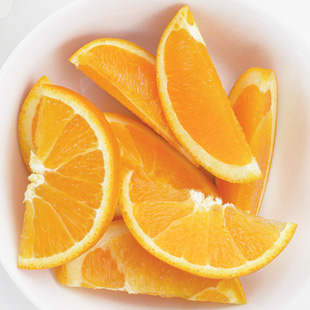
after snacking on an orange, you probably won’t
after drinking a glass of orange juice–but you’ll
end up consuming more calories, because juice
condenses a fruit’s calories into a small amount.
A glass of juice here and there won’t hurt–but
stick with whole fruits first.
4. What’s missing in “dressed-up” juices?
Some fruit juices are now fortified with fiber (it’s
added in the form of a thickening agent called
maltodextrin), but you’re still missing out on all of
the other beneficial compounds whole fruits
provide. If it’s fiber you’re seeking, why opt for
processed and bottled when you can enjoy fresh
and whole?
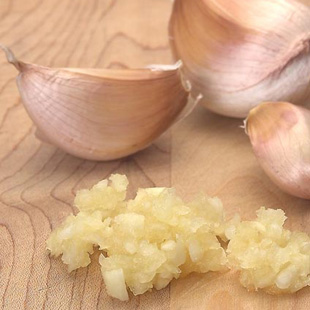
5. Crush your cloves
To help garlic retain its cancer-fighting
properties, the American Institute for Cancer
Research recommends this trick: During
preparation, crush your garlic instead of mincing
it. Allow it to sit for 10 minutes at room
temperature before you toss it in the skillet and
await that familiar savory fragrance.
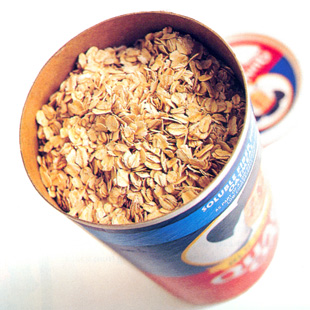
6. Get in the grains.
Eating plenty of whole grains is important to
maintaining a health immunity; nutrition experts
agree that at least half of the recommended 6 to
9 servings of grains you should eat every day
should be whole grains. Look for the term "whole
grain" as the first ingredient when shopping for
breads or try some healthy whole grain recipes
feature brown rice, quinoa, barley, corn and oats.